

When the temperature drops and snow starts to fall, a good pair of winter boots becomes essential. They are the frontline defense against cold, wet, and slippery conditions, designed to keep your feet warm, dry, and secure. However, many people view them as purely functional, clunky necessities that can ruin an otherwise stylish outfit. This could not be further from the truth.
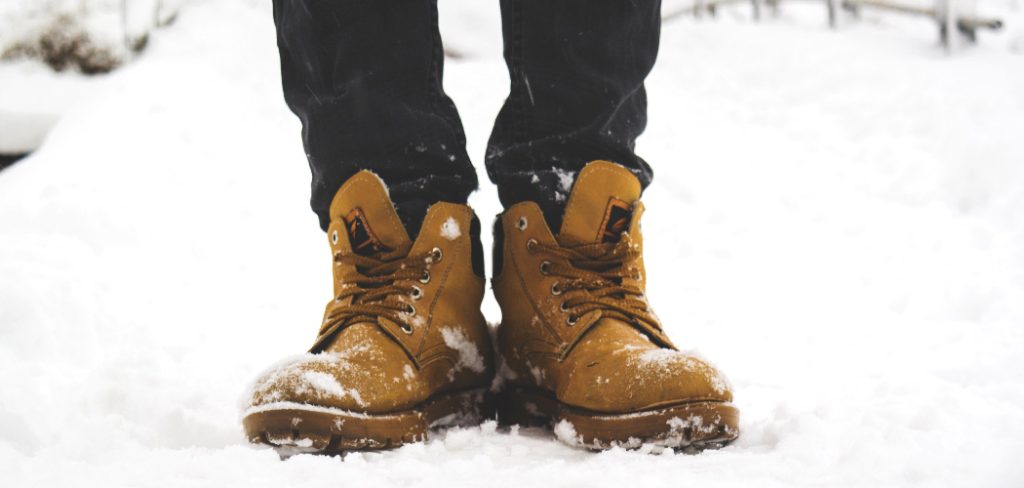
Modern winter boots come in a vast array of styles, from sleek leather chelsea boots to rugged lace-ups, making them a versatile fashion statement. The key is knowing how to integrate them into your wardrobe seamlessly. This guide will provide clear, practical tips on how to wear winter boots, transforming them from a winter burden into your favorite cold-weather accessory.
When it comes to dressing for winter, balancing warmth and style can feel like a daunting task. Winter boots, often associated with bulky practicality, are frequently overlooked as a fashionable component of cold-weather ensembles. However, with the right approach, they can enhance your outfit while keeping you comfortable during the chilliest days. By combining thoughtful styling with functional design, winter boots can easily become your go-to footwear for the season.
7 Step-by-Step Style Guide on How to Wear Winter Boots
Step 1: Choose the Right Socks
Before you even think about the boots themselves, you need to consider what goes inside them. The right socks are critical for both comfort and style. For maximum warmth, choose socks made from materials like merino wool or a high-quality thermal blend, which wick moisture away from your skin to keep your feet dry and warm.
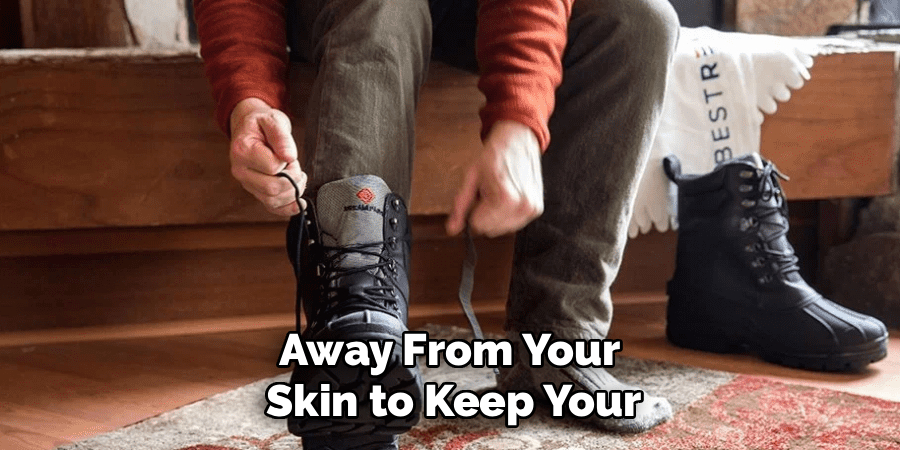
The thickness of your sock will affect the fit of your boot, so always try on boots with the type of socks you intend to wear. From a style perspective, socks can be a fun accessory. A pop of color or a chunky knit texture peeking out from the top of your boots can add a deliberate, cozy touch to your entire look.
Step 2: Pair with the Right Style of Pants
The interaction between your boots and your pants is the most crucial element of the entire outfit. Skinny jeans and leggings are the easiest and most popular pairing because they can be tucked directly into the boots without creating any bulk. This creates a clean, streamlined silhouette that works with almost any boot style, from ankle-height to mid-calf.
For straight-leg or boot-cut jeans, you have two options: either cuff the jeans to sit just above the top of the boot, or ensure the jeans are long enough to fall smoothly over the boot without bunching up. Avoid tucking wider-leg pants into boots, as this creates an untidy and bulky look.
Step 3: The Pant Tuck or Cuff
Mastering the tuck or cuff is fundamental to styling winter boots. For taller boots, like combat or snow boots, tucking in your pants is the way to go. To get a clean tuck with non-skinny jeans, try the “sock tuck” method: fold the bottom of your jean cuff tightly around your ankle, then pull a tall, snug sock over it to hold it in place before sliding your foot into the boot. For shorter ankle boots, cuffing your pants is often a more stylish choice.
A simple single or double roll that exposes a small sliver of your ankle or sock creates a chic, intentional break between the pant hem and the boot.
Step 4: Balance Proportions with Your Outerwear
Winter boots, especially heavy-duty snow boots, can have a lot of visual weight. To create a balanced and harmonious look, you need to consider the proportions of your entire outfit. If you are wearing bulky, rugged boots, pair them with a similarly substantial piece of outerwear, like a puffer coat, a long wool overcoat, or a parka.

This creates a cohesive, weather-appropriate look. Conversely, if you are wearing a sleeker, more refined pair of boots, like a heeled leather ankle boot, you can pair them with a more tailored coat, such as a peacoat or a fitted trench, to maintain a polished silhouette.
Step 5: Don’t Be Afraid to Wear Them
Many people pack away their dresses and skirts as soon as winter arrives, but they can look incredibly stylish when paired correctly with boots. The key is to add warmth and coverage with a good pair of tights. Opaque black tights are a classic, foolproof option that elongates the legs and works with almost any color or style.
For a cozier feel, consider fleece-lined or wool tights. A chunky knit sweater dress paired with thick tights and a pair of rugged combat boots creates a perfect blend of cozy and edgy. This is an advanced but rewarding way to learn how to wear winter boots.
Step 6: Pay Attention to Color
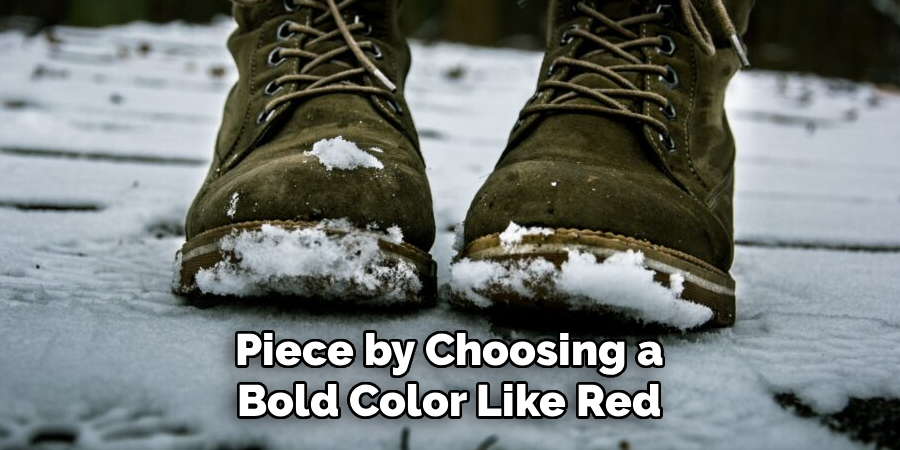
Creating a cohesive outfit involves thinking about how the colors and materials work together. You do not need to match everything perfectly, but the elements should feel harmonious. Classic black or brown leather boots are incredibly versatile and will go with almost anything in your wardrobe. Suede boots offer a softer texture that pairs beautifully with other soft winter materials like cashmere, wool, and flannel. You can create a sophisticated monochromatic look by pairing boots with pants and a coat in similar shades, or you can make your boots a statement piece by choosing a bold color like red or white.
Step 7: Maintain Your Boots for Longevity and Style
A scuffed, salt-stained, or water-damaged boot will instantly downgrade your entire look, no matter how well you style it. Proper care is essential for both function and fashion. Before the first wear, treat your new leather or suede boots with a quality waterproofing spray to protect them from moisture and salt stains. After wearing them in wet or snowy conditions, always wipe them down with a damp cloth and allow them to air dry completely, away from direct heat sources like radiators. Regularly cleaning and conditioning your boots will keep them looking their best for many winters to come.
Boot Maintenance Tips
To keep your boots in top condition, follow these additional maintenance tips:
- Use a Boot Tree: Insert a boot tree or stuff the boots with newspaper when not in use to help maintain their shape and prevent creasing.
- Polish Regularly: For leather boots, use a high-quality polish that matches their color to restore shine and cover minor scuffs.
- Protect the Soles: Check the soles of your boots periodically for wear and tear. For extra durability, consider adding rubber sole protectors to extend their lifespan.
- Store Properly: Always store your boots in a cool, dry place, away from direct sunlight, which can fade colors and weaken materials.
- Address Stains Promptly: For tough stains on suede boots, use a suede eraser or brush designed specifically for the material to lift dirt and restore the nap.
By incorporating these tips into your routine, your boots will stay in excellent condition, providing both comfort and style for years to come.
Frequently Asked Questions (FAQ)
Should Jeans Be Tucked into Winter Boots or Worn Over Them?
This depends entirely on the cut of your jeans and the style of your boots.
- Tuck In: Skinny jeans and slim-fit pants should always be tucked into mid-calf or tall winter boots for a clean line.
- Wear Over: Boot-cut and flare jeans are designed to be worn over the top of your boots.
- Cuff: Straight-leg jeans look best when cuffed to sit just above shorter ankle boots.
What Kind of Socks Are Best for Winter Boots?
Function should be your first priority. Merino wool socks are the gold standard because they are warm, moisture-wicking, and naturally odor-resistant. A good thermal or synthetic blend is also a great option. Avoid cotton socks, as they absorb sweat and will make your feet feel cold and damp once they get wet.

Can You Wear Winter Boots for Formal Occasions?
For most formal events, traditional snow boots are too casual. However, you can absolutely find winter-appropriate footwear that is dressy. Look for sleek, heeled ankle boots made from high-quality leather. A pointed toe and a slim profile will always look more formal than a round toe and a bulky sole. These can be paired elegantly with dress pants or a formal dress with tights.
How Do I Stop My Feet from Sweating in Winter Boots?
Sweaty feet get cold feet. The key is moisture management. The number one cause of sweaty feet in winter is wearing cotton socks. Switch to moisture-wicking merino wool or synthetic socks. You can also try using a foot antiperspirant or powder. If your boots have removable liners, take them out overnight to allow them to dry completely between wears.
How Do You Clean Salt Stains Off Leather or Suede Boots?
Salt stains can permanently damage your boots if not treated promptly. Create a solution of equal parts white vinegar and water. Dampen a clean cloth with the solution and gently wipe the stained areas. The mild acid in the vinegar will dissolve the salt. Wipe the area again with a clean, water-dampened cloth and let the boots air dry completely.
Conclusion
Winter boots are far more than just a practical necessity for surviving the cold; they are a powerful style tool that can define your entire cold-weather aesthetic. By focusing on the fundamentals—choosing the right socks, mastering the pant tuck, and balancing proportions—you can confidently incorporate any style of boot into your wardrobe. The key is to create a look that is both functional and intentional. A well-styled boot keeps you warm while elevating your outfit, proving that you don’t have to sacrifice style for comfort. Now that you have a better understanding of how to wear winter boots, you can step out this season feeling cozy, confident, and chic.

About
As the lead voice behind Shoenify, I bridge the gap between footwear aesthetics and technical performance. With a career dedicated to the intersection of fashion and function, I provide readers with data-driven reviews and deep dives into the global footwear market. My mission is to help every reader find the perfect fit, whether they are hitting the track or the boardroom.
Education RMIT University
-
RMIT University: Bachelor of Design (Footwear & Accessories)
-
Nottingham Trent University: MA in Fashion Design (Specializing in Footwear Innovation)
Publications and Impact
My insights on footwear trends and sustainable manufacturing have been featured in leading industry trade journals. Through Shoenify, I have influenced thousands of purchasing decisions by prioritizing transparency and rigorous testing. My work focuses on the evolution of “smart” footwear and the impact of 3D printing on the future of the industry.