
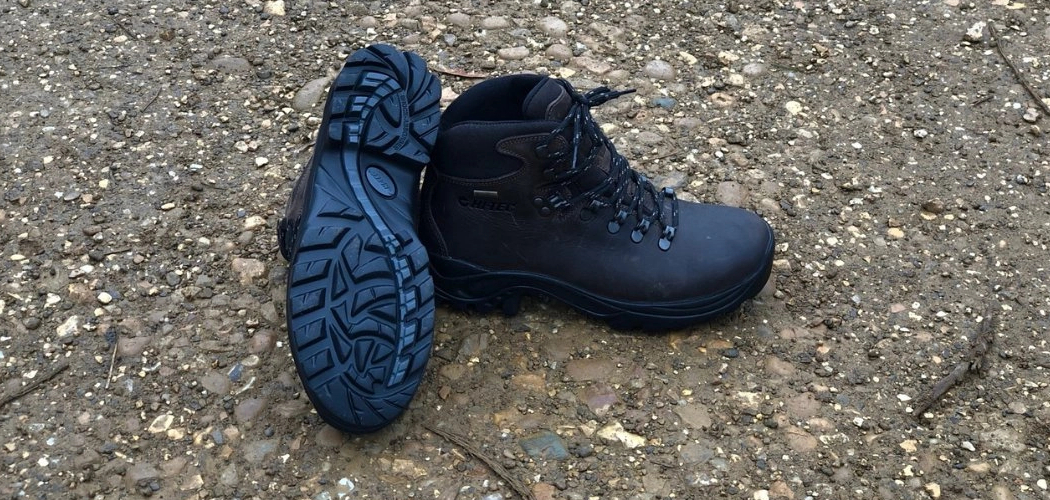
Finding the perfect pair of winter boots is about more than just style; it’s a crucial investment in your comfort and safety during the coldest months of the year. Whether you are navigating slushy city sidewalks or trekking through deep snow in the backcountry, the right footwear keeps your feet warm, dry, and firmly planted on the ground.

A poor choice can lead to cold toes, wet socks, and dangerous slips on icy surfaces, ruining your winter experience. By understanding the key features that define quality winter footwear, you can confidently select a pair that will withstand the elements and serve you well for many seasons to come. In this guide on how to choose winter boots, we’ll cover everything from insulation and waterproofing to traction and fit. With this knowledge in hand, you’ll be ready to face the winter weather with ease.
Understand Your Winter Needs
Before you start browsing through endless options online or in stores, you must take a moment to honestly assess your specific winter environment and daily activities. Someone living in a city with frequent freeze-thaw cycles needs a completely different boot than someone living in a region with heavy, persistent snowfall and sub-zero temperatures.
Think about your activity level; are you standing still at a bus stop, walking briskly for exercise, or hiking in rugged terrain? Sedentary activities require higher insulation levels because your body isn’t generating as much heat to keep your extremities warm. Additionally, consider the moisture levels you will encounter, as wet snow demands waterproof materials far more than dry, powdery snow does. Understanding these nuances ensures you don’t end up with a boot that is too heavy and clunky for errands or too light and cold for long outdoor exposure.
6 Simple Step-by-step Guidelines on How to Choose Winter Boots
Step 1: Evaluate the Temperature Rating and Insulation Type
When you begin your search for the ideal winter boot, the first technical specification you should examine is the temperature rating and the type of insulation used. Manufacturers often provide a temperature rating, such as -20°F or -40°F, which serves as a general guideline for the boot’s warmth capabilities. However, you must treat these ratings with a grain of salt because they are tested in controlled laboratory settings, not in real-world conditions where wind, humidity, and your own metabolic rate play significant roles. You need to look deeper into the insulation material itself, which is usually synthetic (like Thinsulate or Primaloft) or natural (like shearling or wool). Synthetic insulation is measured in grams, typically ranging from 200g for mild winter days to over 1000g for extreme arctic conditions.
For most people facing average winter conditions, 400g to 600g of insulation provides a solid balance of warmth without excessive bulk. If you are highly active, you might opt for less insulation to prevent your feet from sweating, as wet feet quickly become cold feet regardless of the boot’s quality. Conversely, if you have poor circulation or plan on sedentary activities like ice fishing or watching sports, you should prioritize higher gram counts or removable felt liners. Felt liners are particularly effective because they can be removed and dried out overnight, ensuring you start each day with a warm, dry boot. Remember that warmth relies on trapping air, so ensure the insulation isn’t compressed too tightly against your foot.
Step 2: Assess Waterproofing and Breathability Features
Once you have determined your insulation needs, the next critical step is ensuring your feet stay dry from external moisture while allowing internal moisture to escape. Winter is rarely just about frozen snow; it often involves slush, puddles, and freezing rain, making waterproofing non-negotiable for most users. You should look for boots that explicitly state they are “waterproof,” not just “water-resistant.” Water-resistant boots may repel light snow but will eventually soak through if you step in a deep puddle or spend hours in wet snow. High-quality boots often use waterproof membranes like Gore-Tex or proprietary technologies that are sandwiched between the outer shell and the inner liner.
However, keeping water out is only half the battle; you must also ensure the boot breathes. If a boot is completely sealed like a rubber bag, sweat will accumulate inside, soaking your socks and chilling your feet rapidly once you stop moving. This is why breathable membranes are superior to full rubber boots for active use. The construction of the boot also matters significantly here; look for gusseted tongues, which are attached to the sides of the boot to prevent water and debris from slipping in through the lace area. Additionally, sealed seams are a must-have feature to look for, as needle holes from stitching are the most common entry points for water. A rubber lower shell combined with a breathable upper is a classic design that offers the best of both worlds for many winter scenarios.

Step 3: Check the Outsole for Traction and Grip
The third step focuses entirely on safety and stability, as slipping on ice is one of the most common causes of winter injuries. The outsole of a winter boot is fundamentally different from a sneaker or a summer hiking boot; the rubber compound is softer, so it doesn’t harden and become like plastic in freezing temperatures. You need to examine the lug pattern—the bumps and grooves on the bottom of the boot. Deep, aggressive lugs are essential for biting into loose snow and slush, providing traction where a flat sole would slide. However, for icy surfaces, the depth of the lug matters less than the material and specialized grip technologies.
Look for outsoles that feature specialized compounds like Vibram Arctic Grip or similar technologies designed specifically for wet ice. Some modern boots even include abrasive materials embedded in the rubber that act like sandpaper on slick surfaces, or retractable metal studs for ultimate stability. If you plan to walk on mixed terrain, such as cleared pavement and icy patches, avoid permanent metal studs as they can be slippery on smooth stone or tile floors indoors. Instead, prioritize a high-quality rubber compound with a multidirectional tread pattern that helps prevent slipping forward, backward, and sideways. Test the flexibility of the sole as well; a sole that is too stiff might feel clunky, but it often provides better stability on uneven, frozen ground compared to a highly flexible sneaker-like sole.
Step 4: Determine the Right Height and Ankle Support
The physical dimensions of the boot, specifically the shaft height and ankle support, play a massive role in both protection and comfort. You need to decide how deep the snow is that you will likely encounter. Ankle-height boots are easier to put on and take off and are generally more comfortable for driving or sitting in an office, making them a popular choice for urban commuters. However, if you step off a curb into a six-inch snowdrift, snow will inevitably fall over the top of a short boot, melt, and leave you with wet ankles.
For those living in areas with significant snowfall or for those who engage in outdoor activities like snowshoeing, a mid-calf or tall boot is essential. A taller shaft acts as a gaiter, providing a barrier against deep snow and adding significant warmth to your lower legs. Beyond snow protection, consider the ankle support provided by the lacing system. If you are walking on uneven, frozen terrain, a boot that laces up snugly around the ankle will prevent twists and sprains. Pac boots with soft uppers might offer less ankle stability than a structured winter hiking boot, so if you have weak ankles or plan on hiking, prioritize a boot with a stiffer upper structure and a secure lacing system that locks your heel in place to prevent blistering and instability.
Step 5: Prioritize Fit and Sizing for Winter Socks
Sizing winter boots is not the same as sizing running shoes, and getting this step wrong is a common reason for cold feet. You must account for the thickness of the socks you intend to wear. Most experts recommend wearing a mid-weight to heavy-weight wool sock with winter boots, which takes up significantly more volume inside the boot than a standard cotton athletic sock. If you buy your exact street shoe size, the thick sock might compress your foot, cutting off circulation. Circulation is vital for keeping your toes warm; if blood can’t flow freely, no amount of insulation will help.
Therefore, when trying on boots, always bring the exact socks you plan to wear during the winter. You should wiggle your toes freely; there should be a small pocket of air around your toes to help trap heat. If your toes are touching the front of the boot, it is too small. Conversely, if your heel lifts significantly out of the boot with every step, it is too large and will cause painful blisters. Many people find they need to size up by half a size or even a full size for winter boots, especially brands that run narrow. Walk around the store (or your house) for at least 15 minutes to see if any pinch points develop. Pay attention to the width as well, as winter boots that are too narrow will restrict blood flow and leave your feet freezing cold very quickly.

Step 6: Consider Weight and Ease of Use
The final step in your selection process involves the practical, day-to-day usability of the boots, specifically their weight and closure systems. Heavy boots can be extremely fatiguing. As the old adage goes, “one pound on your feet equals five pounds on your back.” If you are walking long distances, a heavy, traditional Pac boot might leave you exhausted much faster than a modern, lightweight winter hiker. Materials technology has advanced significantly, allowing for lightweight synthetic insulations that provide warmth without the heft of traditional wool and rubber combinations. You should pick up the boots and compare their weight; if they feel like anchors in the store, they will feel even heavier after trudging through a mile of snow.
Ease of use is equally important but often overlooked until you are rushing out the door. Consider the lacing system: are the eyelets large enough to manipulate with gloves on? Complex lacing systems can be a nightmare when your fingers are frozen or when you are in a hurry. Some boots offer speed-lacing hooks, zippers, or even boa constriction systems that make entry and exit seamless. However, be wary of zippers that aren’t backed by a waterproof gusset, as they can leak. If you have mobility issues or simply value convenience, pull-on boots are fantastic, but ensure they have sturdy pull tabs and a heel structure that allows you to kick them off easily without using your hands. Balancing the weight for endurance with a closure system that fits your lifestyle ensures you will actually want to wear the boots you purchase.
Following these steps on how to choose winter boots will ensure that you find the perfect pair to keep your feet warm, dry and comfortable during the cold winter months. However, it’s important to also take care of your boots in order to extend their lifespan and maintain their functionality.
Care and Maintenance
Investing in high-quality winter boots means you should also invest time in maintaining them to prolong their lifespan. Salt and chemical de-icers used on roads and sidewalks are the biggest enemies of winter footwear; they can dry out leather, corrode metal eyelets, and degrade rubber over time. You should make it a habit to wipe your boots down with a damp cloth after every use in salty conditions to remove these corrosive agents.
For leather boots, regular application of a leather conditioner or waterproofing wax is essential to prevent cracking and maintain water resistance. If your boots have removable liners, take them out regularly to air dry, which prevents odor buildup and ensures the insulation remains fluffy and effective. Never dry your boots directly next to a high heat source like a radiator or fireplace, as this can weaken glues and cause leather to crack; instead, let them air dry or use a gentle boot dryer.

Common Mistakes to Avoid
One of the most frequent errors people make is prioritizing fashion over function, buying boots that look great but offer zero thermal protection or traction on ice. Another common mistake is wearing cotton socks, which trap moisture against the skin and lead to freezing feet; always choose wool or synthetic blends.
Many buyers also fail to break their boots in before a big trip or long walk, leading to painful blisters when they are miles from home. Finally, ignoring the fit and buying boots that are too tight restricts circulation, which is the primary biological mechanism for keeping your feet warm.
Frequently Asked Questions
Q1: How Do I Choose The Right Size?
A1: Choosing the right size for winter boots often involves going up a half or full size from your regular shoe size. This is because you will likely be wearing thicker socks and possibly multiple layers of socks to keep your feet warm. It’s important to try on different sizes and walk around in them to ensure a proper fit before making a purchase.
Q2: What Material Should I Choose for My Boots?
A2: Both wool and synthetic blends have their advantages when it comes to winter boots. Wool is a natural material that is known for its insulating properties, while also being breathable and moisture-wicking. Synthetic blends, on the other hand, are often more durable and water-resistant. Consider your specific needs and the conditions you will be using the boots in before making a decision. Additionally, many brands offer a combination of both materials to provide the best of both worlds.

Conclusion
Choosing the right winter boots ultimately comes down to balancing comfort, durability, and functionality. Whether you opt for wool, synthetic blends, or a combination of both, it’s essential to consider your specific requirements and the environment in which the boots will be used.
Investing in high-quality materials and construction ensures that your boots will keep your feet warm, dry, and comfortable throughout the winter season. Thanks for reading this guide on how to choose winter boots.

About
As the lead voice behind Shoenify, I bridge the gap between footwear aesthetics and technical performance. With a career dedicated to the intersection of fashion and function, I provide readers with data-driven reviews and deep dives into the global footwear market. My mission is to help every reader find the perfect fit, whether they are hitting the track or the boardroom.
Education RMIT University
-
RMIT University: Bachelor of Design (Footwear & Accessories)
-
Nottingham Trent University: MA in Fashion Design (Specializing in Footwear Innovation)
Publications and Impact
My insights on footwear trends and sustainable manufacturing have been featured in leading industry trade journals. Through Shoenify, I have influenced thousands of purchasing decisions by prioritizing transparency and rigorous testing. My work focuses on the evolution of “smart” footwear and the impact of 3D printing on the future of the industry.