
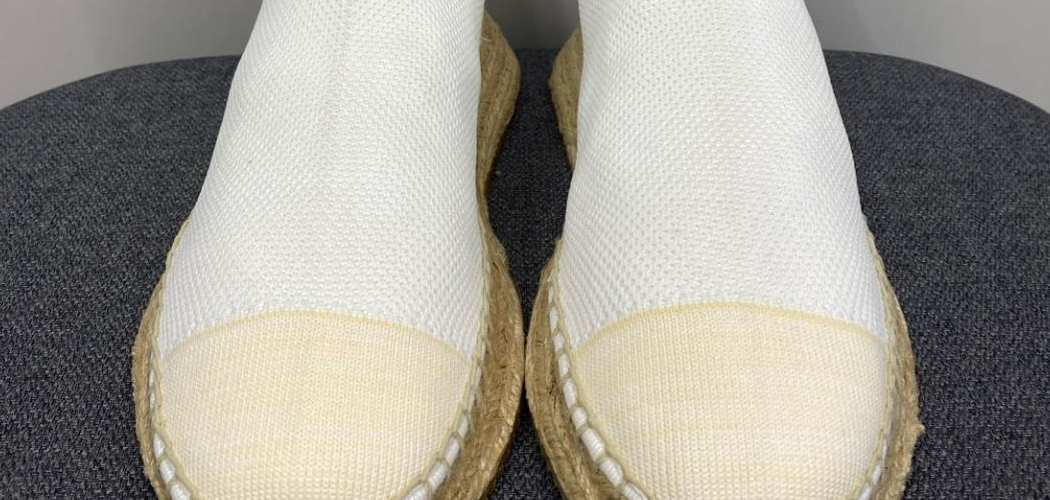
Espadrilles are a quintessential summer staple known for their laid-back style and comfort, but finding the perfect fit straight out of the box can sometimes be a challenge. Often made from canvas or cotton fabric with a distinct rope sole, these shoes can feel quite snug initially, leading to discomfort or blisters if not properly broken in before long wear.
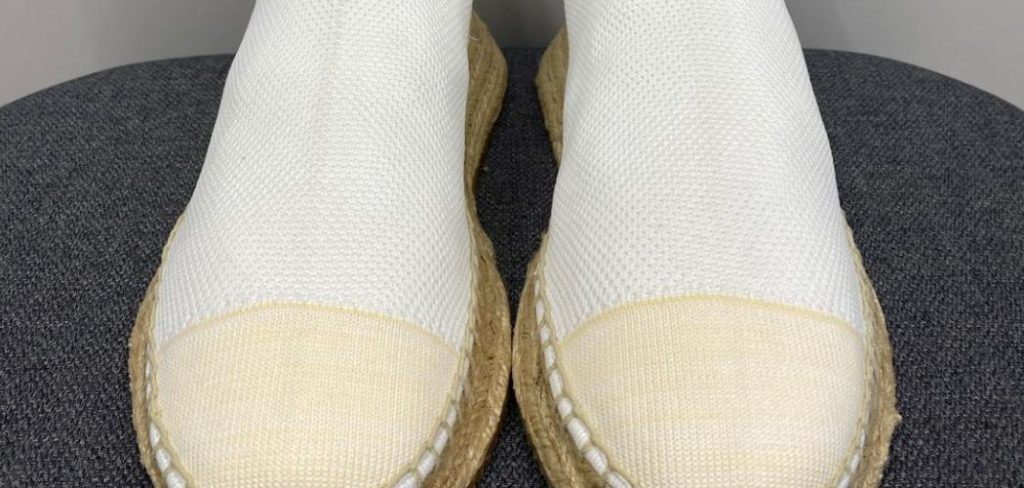
Fortunately, stretching your new pair is a straightforward process that doesn’t require professional help or expensive equipment, allowing you to achieve a custom fit right at home. By using simple techniques that respect the delicate materials of the shoe, you can gently expand the fabric to accommodate your foot shape, ensuring your stylish footwear feels as good as it looks for every sunny adventure ahead.
In this guide on how to stretch Espadrilles, we’ll walk you through the necessary tools and methods to help you get started.
8 Step-by-step Guidelines on How to Stretch Espadrilles
Step 1: The Thick Sock Method
The most reliable and safest way to begin stretching your espadrilles involves using your own feet and some extra padding to gently force the fabric to expand naturally. Start by putting on the thickest pair of socks you own—or even two pairs of regular socks if you don’t have heavy wool ones—and then squeeze your feet into the shoes.
It will likely feel very tight and uncomfortable at first, but this pressure is exactly what is needed to push the canvas fibers outward. Walk around your house on a carpeted surface for at least 30 minutes to an hour. The movement of your foot flexing as you walk helps the shoe conform to your specific arch and toe shape better than any static stretching method could achieve alone.
While you are walking around, pay close attention to the areas that feel the most constricted, such as the heel or the toe box, as these are the spots that will require the most patience. Do not rush this process or try to force your foot in if it causes sharp pain, as you don’t want to damage the delicate jute stitching that connects the sole to the upper fabric.
If the pressure becomes unbearable, take the shoes off for a few minutes to let your feet rest before trying again. Repeat this process over several evenings while you are doing chores or watching television. Over time, the combination of body heat and the added bulk of the socks will permanently relax the weave of the fabric, giving you that crucial extra bit of wiggle room.
Step 2: Applying Controlled Heat
Adding heat to the equation can significantly speed up the stretching process, especially for stubborn canvas that refuses to budge with just socks alone. While wearing your thick socks and the espadrilles, grab a hairdryer and set it to medium heat.
Aim the warm air specifically at the tightest parts of the shoe, usually around the toes or the heel, keeping the dryer in constant motion so you don’t scorch the fabric or melt any glues. Apply the heat for about 20 to 30 seconds at a time in each tight area while wiggling your toes and flexing your foot vigorously. The heat relaxes the cotton fibers, making them more pliable and willing to stretch to the shape of the socks underneath.
It is crucial that you keep the shoes on your feet while they cool down completely after applying the heat. If you take them off while the fabric is still warm, the material will likely shrink back to its original size, undoing all your hard work. Keep them on for at least another 20 minutes until they are cool to the touch.
This “cooling set” locks in the new, expanded shape. You can repeat this heating and cooling cycle multiple times if necessary. Be very careful not to overheat the rope sole, as excessive heat can dry out the natural jute fibers or weaken the rubber outsole bonding. Always prioritize the fabric upper when using this thermal method.
Step 3: Using a Stretching Spray
If the dry methods aren’t giving you enough relief, you can introduce a liquid stretching agent to help soften the fibers chemically. You can buy a professional shoe stretching spray or make your own by mixing equal parts rubbing alcohol and water in a spray bottle. Lightly mist the inside of the espadrille, focusing heavily on the tight spots, until the fabric is damp but not soaking wet. The alcohol helps to relax the stiffness of the canvas almost immediately. Once the shoe is damp, put your feet back in (barefoot or with thin socks this time) and wear them until they are completely dry. As the liquid evaporates, the fabric dries in the shape of your foot.
This method is particularly effective for espadrilles because canvas absorbs liquid well, allowing the stretching agent to penetrate deep into the weave. However, you must be cautious not to saturate the jute sole at the bottom. Water is generally the enemy of the rope sole found on espadrilles; if the jute gets too wet, it can unravel, swell, or rot. To prevent this, hold the shoe upside down while spraying or use a cloth to dab the solution precisely where it is needed on the upper fabric. By controlling the moisture application, you get the benefit of a pliable upper without risking the structural integrity of the shoe’s foundation.
Step 4: The Stuffing Technique
When you aren’t wearing your shoes, you can keep the stretching momentum going by tightly stuffing them with material that holds its shape. Take slightly damp newspaper or tightly rolled small towels and pack them firmly into the toe box and heel of the espadrille. You want to pack it so tight that the fabric bulges outward slightly, mimicking the pressure of a foot that is slightly too large for the shoe. Leave this stuffing in overnight or for at least 24 hours. As the moisture from the paper transfers slightly to the shoe and then dries, it helps set the canvas in this expanded position.
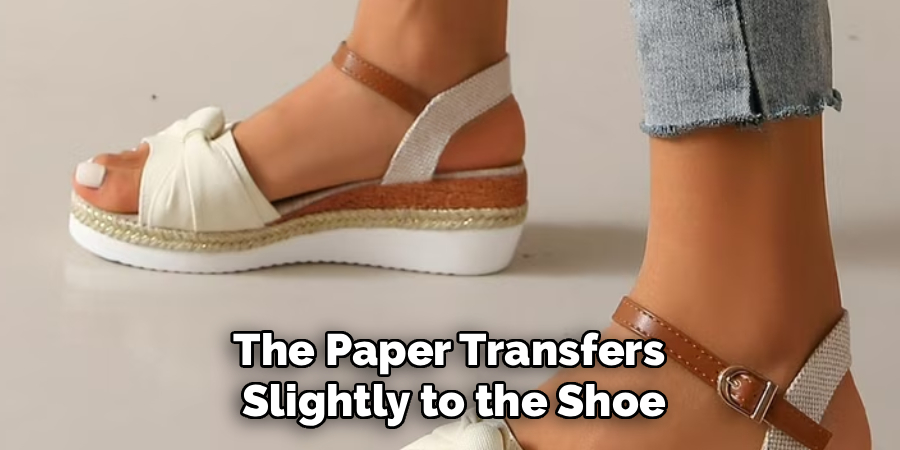
This passive stretching method is excellent for maintaining the width you gained during your active walking sessions. It prevents the shoes from shrinking back down while they sit in your closet. Ideally, use paper or towels that are white or colorfast to avoid any ink transferring onto the lining of your nice shoes. If you are worried about moisture damaging the sole, use dry stuffing instead; while slightly less effective than damp stuffing, dry stuffing still provides necessary mechanical pressure. Ensure you pack the material evenly to avoid creating lumpy or misshapen areas in the canvas, which could ruin the aesthetic of the shoe.
Step 5: Utilizing Shoe Stretchers
For a more precise and aggressive stretch, investing in a mechanical shoe stretcher can provide consistent results without requiring you to wear tight shoes. Insert the stretcher into the espadrille and turn the handle to expand the device until you see the fabric begin to strain slightly against the pressure. Most stretchers work primarily on width, which is usually the main issue with new espadrilles, but some also offer length stretching or spot-stretching plugs for bunions. Leave the stretcher in the shoe for a full 24 to 48 hours to allow the fibers to fully relax and adjust to the new dimensions.
One major advantage of using a mechanical stretcher is the ability to target very specific problem areas using the small plastic plugs that often come with the tool. If you have a bunion or a particularly wide toe knuckle, you can insert a plug into the corresponding hole on the stretcher to push out just that one spot on the canvas. This creates a custom pocket for your foot issue without making the entire shoe loose and floppy. Just be careful not to over-crank the device; canvas is durable, but the stitching connecting it to the jute sole is a weak point. Over-stretching can cause the fabric to tear away from the base, effectively ruining the shoe.
Step 6: The Freezing Method
The freezing method relies on the scientific principle that water expands as it turns into ice, using this force to stretch your shoes from the inside out. Fill two sandwich-sized zip-lock bags about one-third full with water and seal them tightly, removing as much air as possible. Place a bag inside each espadrille, ensuring the water settles into the toe area or wherever the shoe is tightest. Place the shoes carefully into your freezer and leave them there overnight. As the water freezes, it expands, gently pushing against the walls of the shoe and stretching the material steadily and firmly.
This technique is a bit risky with espadrilles due to the moisture sensitivity of the jute sole, so you must ensure your bags are high-quality and completely leak-proof. Double-bagging the water is a smart precaution to take. Once you remove the shoes from the freezer the next day, do not try to rip the bags out immediately, as the ice will be stuck to the fabric and could damage it. Let the ice melt slightly for about 20 minutes until the bags slide out easily. This method is surprisingly effective for tough canvas that resists other stretching methods, providing a strong, sustained force that manual stretching often lacks.
Step 7: Manual Manipulation and Flexing
Sometimes the stiffness of the sole itself contributes to the tight feeling, and manual manipulation can help break in the shoe before you even put it on. Take the espadrille in your hands and gently bend and flex the sole back and forth and twist the upper fabric. Do not fold the shoe completely in half, but work it enough to loosen the glue and fibers that make the shoe rigid. You can also use your hands or a large spoon to press outward firmly against the inside of the heel counter or the toe box, physically massaging the fabric to soften it.
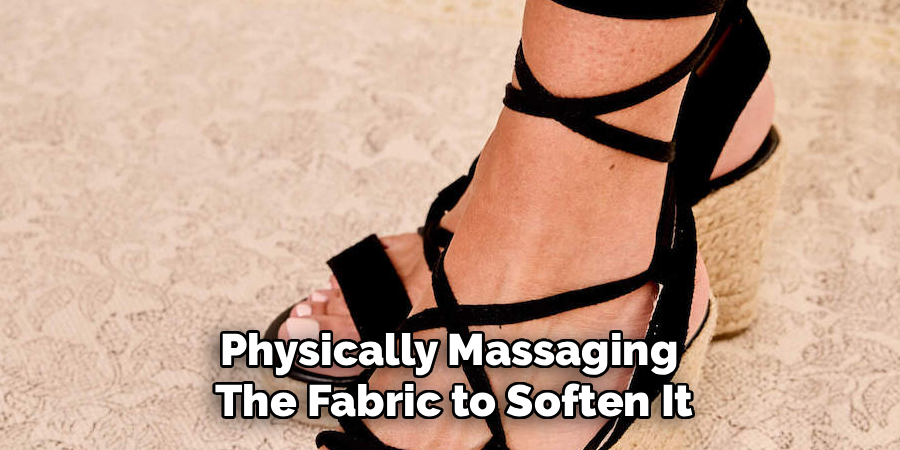
By manually manipulating the shoe, you simulate the wear and tear of walking without subjecting your feet to blisters. This is particularly helpful for the heel area, which is often reinforced and can dig painfully into the back of your foot. Bending the heel counter inward and outward repeatedly can soften the backing material. Additionally, using a spoon to rub the inside of tight spots (like a seam that rubs against your pinky toe) can flatten the stitching and push the fabric outward. This targeted, hands-on approach helps eliminate specific friction points that general stretching might miss.
Step 8: Professional Stretching Services
If you have tried multiple home remedies and still find your espadrilles uncomfortable, or if the shoes are expensive designer pieces you are afraid to damage, taking them to a professional cobbler is the best final step. Cobblers have industrial-grade stretching machines that can apply precise pressure and heat in ways that home tools cannot replicate. They also have specialized sprays and conditioners that soften the material safely. A professional can assess exactly how much the shoe can stretch without compromising its structure and will know when to stop to prevent tearing.
While this option costs money compared to the free home methods, it guarantees a result without the risk of ruining your footwear. Cobblers can often stretch a shoe by a half-size or adjust specific width issues within a day or two. Furthermore, if your espadrilles have intricate embroidery, beadwork, or are made of a blend of materials other than just plain canvas, a professional will know how to navigate these delicate features. It is an investment in comfort that ensures your beautiful summer shoes don’t sit in the closet unworn because they are too painful to put on.
Following these steps on how to stretch Espadrilles can also apply to other types of shoes such as loafers, slip-ons, and even leather boots. The key is to be patient and gentle while stretching the shoes, and always seek professional help if necessary.
Common Mistakes to Avoid
One of the biggest errors people make is rushing the process and applying too much force or heat too quickly, which can weaken the fabric or melt the glue holding the shoe together. Additionally, getting the jute rope sole wet is a critical mistake that can lead to rot and unraveling, destroying the shoe entirely.
Failing to wear the shoes while they cool down after heating often renders the effort useless, as the material shrinks back. Finally, ignoring localized pain points and trying to force a break-in through sheer willpower usually results in severe blisters rather than comfortable shoes.
Frequently Asked Questions
Q1: Can I Wash My Espadrilles In The Washing Machine To Stretch Them?
A1: No, you should absolutely never put traditional espadrilles in a washing machine because the agitation and excessive water will ruin them. The jute rope sole acts like a sponge and will swell, unravel, and likely disintegrate when soaked, while the glue holding the shoe together will dissolve. The machine’s cycle is far too rough for the delicate hand-stitching often used in these shoes. Instead, spot clean them by hand and use dry stretching methods to adjust the fit.
Q2: How Long Does It Typically Take To Stretch Canvas Espadrilles?
A2: The time it takes to stretch espadrilles varies depending on the thickness of the canvas and the method used, but generally, you should expect to spend roughly 3 to 5 days. If you are using the thick sock and walking method, it is a gradual process that happens over several wearing sessions. More aggressive methods like freezing or chemical sprays might show results overnight, but achieving a truly comfortable, permanent fit usually requires a combination of patience and repeated effort.
Q3: Will Stretching Espadrilles Make Them Too Loose Over Time?
A3: It is possible to over-stretch them if you are too aggressive, but generally, cotton canvas will mold to your foot and stop stretching once the pressure is removed. However, natural fibers do tend to relax further with regular wear, so if you stretch them to be extremely loose initially, they may become sloppy later on. It is best to stretch them just enough to be comfortable but snug, knowing that they will naturally loosen up a bit more as you wear them throughout the season.
Conclusion
Stretching your espadrilles is a manageable task that can transform a painful pair of shoes into your favorite summer accessory. By understanding the unique construction of espadrilles—specifically the durable canvas upper paired with the delicate jute sole—you can select the right method to expand them safely.
Whether you choose the gentle heat of a hairdryer, the passive pressure of the freezer method, or the reliable thick sock technique, the key is patience and gradual adjustment. With the right care and attention, you can achieve a custom, comfortable fit that lasts, ensuring your feet stay happy and stylish all season long. Thanks for reading this guide on how to stretch Espadrilles.

About
As the lead voice behind Shoenify, I bridge the gap between footwear aesthetics and technical performance. With a career dedicated to the intersection of fashion and function, I provide readers with data-driven reviews and deep dives into the global footwear market. My mission is to help every reader find the perfect fit, whether they are hitting the track or the boardroom.
Education RMIT University
-
RMIT University: Bachelor of Design (Footwear & Accessories)
-
Nottingham Trent University: MA in Fashion Design (Specializing in Footwear Innovation)
Publications and Impact
My insights on footwear trends and sustainable manufacturing have been featured in leading industry trade journals. Through Shoenify, I have influenced thousands of purchasing decisions by prioritizing transparency and rigorous testing. My work focuses on the evolution of “smart” footwear and the impact of 3D printing on the future of the industry.