
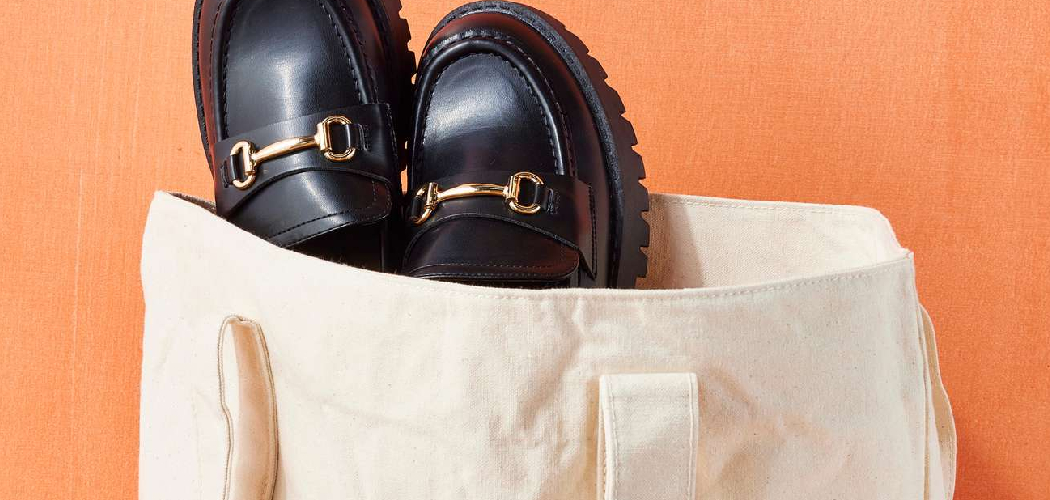
Finding the perfect pair of loafers is a moment of pure sartorial joy, but that excitement can quickly fade when you realize they are just a fraction too tight for comfort. Nothing ruins a confident stride faster than pinching toes or rubbing heels, turning a stylish statement into a painful endurance test.
Fortunately, leather and suede are forgiving materials that can be molded to fit your feet perfectly with a little patience and the right techniques. By using safe stretching methods, you can customize the fit of your new shoes without damaging their structure or finish, ensuring you enjoy both style and comfort for years to come. In this guide on how to stretch Loafers and Moccasins, we’ll cover everything you need to know to get the perfect fit.
Tools and Materials You’ll Need
To stretch your Loafers and Moccasins effectively, you’ll need a few essential tools and materials. Here’s a list to help you prepare:
Shoe Stretchers:
Adjustable shoe stretchers are specifically designed to gently expand the width or length of your shoes. These are ideal for precise, controlled stretching.
Shoe Stretch Spray:
This special spray softens the leather or suede, making it more pliable and easier to stretch.
Thick Socks:
Wearing thick socks while breaking in tight shoes is a simple and effective way to stretch them slightly.
Wooden Dowels or Rolled Towels (optional):
These can be used to target specific areas of tightness in your shoes.
Hair Dryer (for suede only):
A gentle heat source can help loosen tight spots in suede shoes for a more comfortable fit.
Conditioning Cream (optional):
Helps keep the leather or suede supple and prevents cracking during the stretching process.
With these tools and materials on hand, you’ll be ready to start reshaping your shoes for maximum comfort and style.
8 Step-by-step Guidelines on How to Stretch Loafers
Step 1: The Thick Sock and Heat Technique
This is one of the most popular and effective DIY methods for leather loafers because it molds the shoe directly to the shape of your foot using heat. Start by putting on one or even two pairs of your thickest wool socks, depending on how much extra room you need. Squeeze your feet into the loafers; this will likely feel very tight and uncomfortable at first, but it is necessary to apply outward pressure on the leather.
Once your feet are inside, turn your hairdryer on to medium heat and aim it at the tightest areas of the shoe, usually the toe box or the heel, for about 30 seconds at a time. Keep the nozzle moving constantly to avoid burning or drying out the leather.
As you apply the heat, wiggle your toes and flex your feet as much as possible inside the shoe. This movement, combined with the heat softening the leather fibers, encourages the material to expand. After heating the tight spots, keep the shoes on your feet while they cool down completely.
This is the most critical part of the process because the leather sets in its new, stretched shape as it cools. If you take them off while they are still warm, the leather will likely shrink back to its original size. Once cool, remove the thick socks and try the loafers on with regular socks to check the fit. If they still feel snug, repeat the process until you achieve the desired comfort.
Step 2: Utilizing a Professional Shoe Stretcher
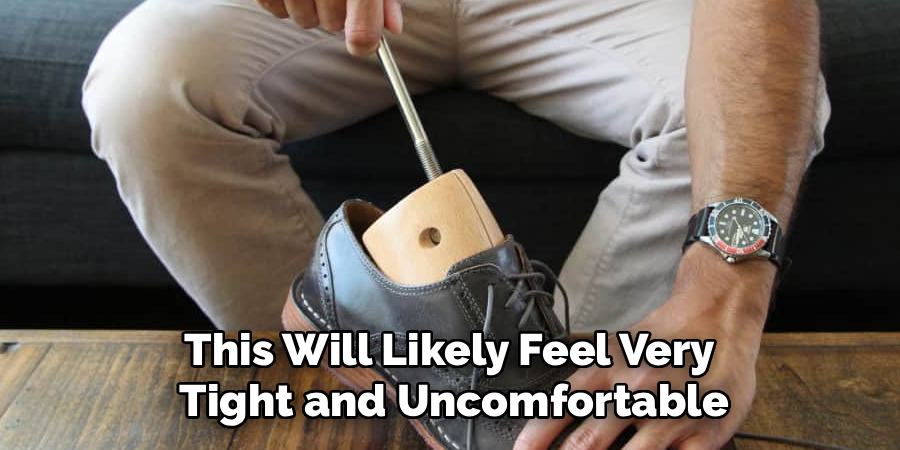
If you want a more precise and hands-off approach, investing in a professional shoe stretcher is a wise decision. These devices, usually made of wood or heavy-duty plastic, are designed to exert consistent pressure on the inside of the shoe over a long period. To begin, insert the shoe stretcher into your loafer.
Most high-quality stretchers come with small plastic plugs called “bunion plugs” that can be inserted into specific holes on the stretcher to target particular pressure points, like a bunion or a corn. Adjust the wheel or handle at the back of the stretcher to expand the length and width until you see the leather begin to strain slightly.
Leave the stretcher inside the shoe for at least 24 to 48 hours. The key here is patience; trying to stretch the shoe too quickly by cranking the device too wide can damage the stitching or tear the leather.
It is much better to stretch them incrementally. After the first 24 hours, check the fit. If the loafers are still too tight, reinsert the stretcher and widen it slightly more than before, leaving it for another day. This method is excellent because it works passively without requiring you to wear tight shoes, and it provides a uniform stretch that maintains the shoe’s original silhouette.
Step 3: Applying Shoe Stretch Spray
Shoe stretch sprays are chemical solutions formulated to relax the fibers of leather, suede, and nubuck, making them more pliable and easier to stretch. This method works best when combined with either the thick sock method or a shoe stretcher.
First, test the spray on a small, inconspicuous area of the loafer to ensure it does not stain or discolor the material. Once you are sure it is safe, spray the solution generously on the inside and outside of the shoe, focusing heavily on the areas that are causing you pain. The leather should feel damp but not soaking wet.
Immediately after spraying, put on the shoes with thick socks or insert your shoe stretcher. The chemical agents in the spray work quickly to loosen the material, allowing the mechanical force of your foot or the stretcher to expand the shoe more effectively than dry stretching alone.
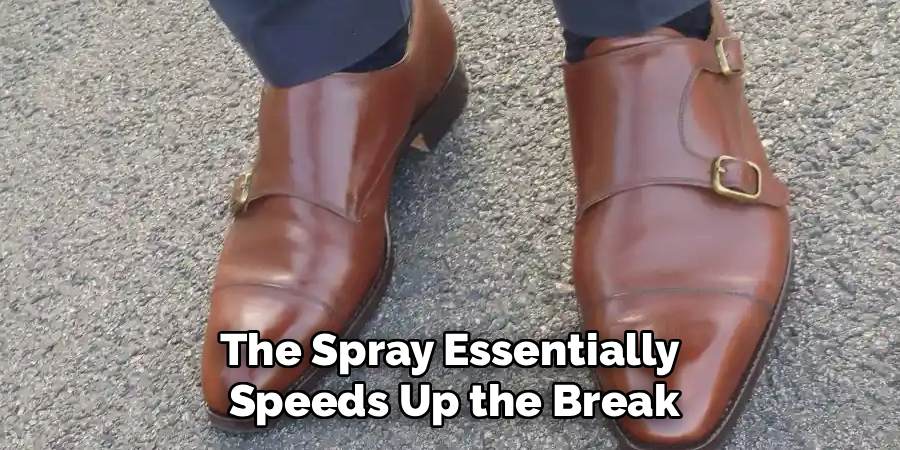
Wear the shoes or leave the stretcher in until the spray has completely dried. This usually takes a few hours. The spray essentially speeds up the break-in process significantly. Once dry, the leather should retain its new shape. Always follow up with a leather conditioner, as some alcohol-based sprays can dry out the natural oils in the leather.
Step 4: The Freezing Water Method
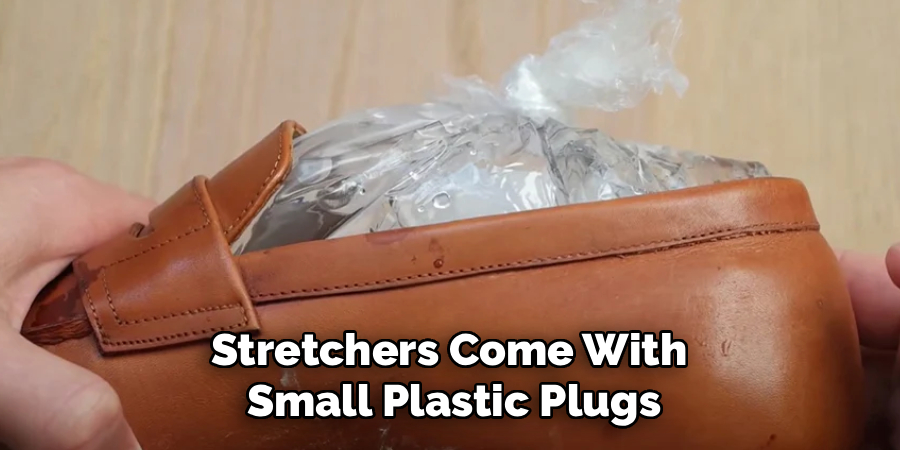
This unconventional method relies on the scientific fact that water expands as it turns into ice. It is a powerful way to stretch shoes but requires careful execution to avoid water damage. Start by filling two durable, sealable freezer bags about one-third to one-half full with water.
Squeeze out all the excess air before sealing them tightly to ensure the water can mold to the shape of the shoe. Place one bag into each loafer, ensuring the water bag is pushed firmly into the toe box or heel area where you need the most room. You need the water to be pressing directly against the tight leather.
Place the loafers into your freezer and leave them there overnight, or until the water is completely frozen solid. As the water freezes, it expands, pushing gently but firmly against the walls of the shoe. Once frozen, remove the shoes from the freezer. Do not try to rip the bags out immediately, as you could tear the lining of your shoes.
Let the ice thaw for about 20 to 30 minutes until the bags slide out easily. Wipe away any condensation immediately. This method is particularly effective for stretching the toe box, but should be used with caution on very delicate or expensive leathers.
Step 5: The Rubbing Alcohol Solution
If you don’t have a commercial shoe stretch spray, a mixture of rubbing alcohol and water can serve as an effective homemade alternative. Mix equal parts of rubbing alcohol and water in a spray bottle. Shake well to combine.
Spray the solution on the inside of the loafers until they are damp. The alcohol helps to soften the leather fibers quickly, similar to commercial sprays, but at a fraction of the cost. Be careful not to oversaturate the leather, especially on the outside, as alcohol can sometimes affect the dye or finish of the shoe.
Once the insides are damp, put the shoes on immediately with your socks. Walk around the house for at least 20 to 30 minutes. The movement of your foot,t combined with the softened leather, will help the shoe conform to your foot’s shape.
Alternatively, you can soak a pair of thick socks in the alcohol solution, wring them out so they aren’t dripping, put them on, and then wear your shoes. Wear them until the socks are dry. This ensures constant contact between the softening agent and the leather while applying pressure. Always condition your leather afterwards, as alcohol is a drying agent.
Step 6: Stuffing with Damp Newspaper
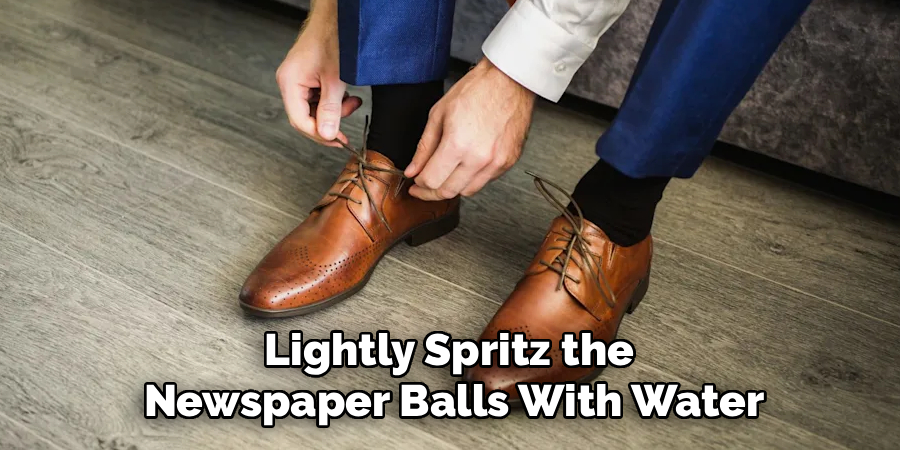
This is a gentle, low-tech method that has been used for generations to stretch shoes and maintain their shape. Begin by taking several sheets of newspaper and crumpling them into tight balls. Lightly spritz the newspaper balls with water so they are damp but not disintegrating or dripping wet.
You want moisture to help pliable the leather, but you don’t want to cause water damage or mold growth. Pack the damp newspaper balls tightly into the toe box and body of the loafers. You must pack them very densely; if the paper is loose, it won’t exert enough pressure to stretch the material.
Continue stuffing the shoe until it is completely full and the leather feels taut to the touch. The dampness from the paper will transfer to the interior of the shoe, slightly softening the leather, while the pressure of the packed paper will push the leather outward.
Leave the shoes to dry slowly in a well-ventilated area, away from direct sunlight or heaters, which can cause the leather to become brittle. Allow them to sit for at least 24 hours. Remove the paper and test the fit. This method is slower than others, but it is very safe and unlikely to overstretch or distort the shoe.
Step 7: Using a Broom Handle or Spoon
Sometimes, the tightness isn’t in the overall width but in a specific spot, like the heel counter or a seam that rubs against a bony part of your foot. For these targeted areas, you can use a sturdy object like the handle of a broom or a large metal spoon to manually massage and stretch the leather.
This technique works best if you first apply a little bit of shoe stretch spray or conditioning oil to the area to make the leather more workable. Insert the handle or spoon into the shoe and locate the specific problem area.
Using considerable force, leverage the handle against the tight spot and work the leather outward. You can rub, press, and knead the leather with the tool to loosen the fibers in that specific location. For the heel, you can move the handle back and forth to widen the opening.
This manual manipulation mimics the break-in process but accelerates it by focusing intense pressure exactly where it is needed. Be careful not to use sharp objects that could puncture the lining or the leather itself. Repeat this process for several minutes on each problem spot until the leather feels softer and more yielding.
Step 8: Professional Stretching Services
If you have tried DIY methods without success, or if your loafers are particularly expensive, delicate, or made of exotic skins, taking them to a professional cobbler is the safest and most effective option. Cobblers possess industrial-grade stretching machines that can alter the size of a shoe much more significantly than home methods.
They can stretch the width, the length, or even raise the instep (the top part of the shoe) to accommodate high arches. They can also target very specific problem areas with specialized tools that relieve pressure for bunions or hammer toes.
When you drop off your shoes, be specific about where the pain is. Put the shoes on for the cobbler if possible, and point out the exact spots that are pinching. A professional service typically takes a few days, as they will stretch the leather incrementally to ensure the integrity of the shoe is maintained.
While this step involves a cost, usually ranging from $15 to $30, it guarantees that the stretching is done correctly without damaging the structure of the shoe. It saves you the time and potential frustration of trial-and-error methods at home and can rescue a pair of shoes you otherwise wouldn’t be able to wear.
Following these steps on how to stretch Loafers can help you extend the life of your beloved pair and ensure maximum comfort in every step.
Frequently Asked Questions
Q1: How Long Does It Typically Take To Stretch Leather Loafers At Home?
The time required to stretch leather loafers varies significantly depending on the method you choose and the type of leather involved. Generally speaking, simple methods like wearing thick socks with heat can show results in as little as 30 minutes, though the shoes usually need to cool down on your feet for another hour to set the shape.
Passive methods, such as using a shoe stretcher or stuffing with newspaper, typically require 24 to 48 hours to effectively expand the material. It is important to remember that stretching should often be an incremental process; rushing it can damage the leather, so it is often better to stretch it a little bit over several days rather than trying to force a huge change in one afternoon.
Q2: Will Stretching My Loafers Damage Or Ruin The Shape Of The Shoe?
When done correctly and patiently, stretching should not damage your loafers or ruin their silhouette. However, there is always a risk if you are too aggressive. Overstretching can cause the leather to look loose, wrinkled, or misshapen, and applying too much heat can dry out or crack the finish. Furthermore, stretching usually only affects the width of the shoe; trying to stretch the length significantly is difficult and can damage the sole or stitching. To minimize risk, always stretch incrementally, checking the fit often, and ensure you are conditioning the leather afterward to keep it healthy and elastic. If you are unsure, professional cobblers are the safest bet for maintaining the shoe’s structural integrity.
Q3: Can I Stretch Loafers That Are Made Of Synthetic Or Faux Leather Materials?
Stretching synthetic or faux leather is much more difficult than stretching natural hide because plastic-based materials possess a “memory” that causes them to snap back to their original shape. While natural leather consists of fibers that can be loosened and relaxed, synthetic materials are essentially plastic sheets that do not have the same elasticity or porosity. You can attempt to stretch them using the heat and thick sock method, but you must be extremely careful not to melt the material. Often, any stretch achieved with faux leather is temporary, and the shoes will likely return to their original tightness over time. If your synthetic loafers are painfully tight, stretching might not be a viable long-term solution.
Conclusion
Stretching your loafers is a practical skill that can salvage a beautiful pair of shoes and save your feet from unnecessary pain. Whether you choose to utilize the rapid heat method, the passive shoe stretcher approach, or the careful application of liquids, the goal remains the same: a custom fit that offers both style and ease. Remember that leather is a natural material that responds best to patience and gentle manipulation.
By following the guidelines on how to stretch Loafers outlined above, you can transform those tight, pinching loafers into the most comfortable footwear in your closet. Always prioritize the health of the leather by conditioning it after stretching, and don’t hesitate to seek professional help for your most treasured pairs. With the right fit, you can walk confidently, knowing your shoes look as good as they feel.

About
As the lead voice behind Shoenify, I bridge the gap between footwear aesthetics and technical performance. With a career dedicated to the intersection of fashion and function, I provide readers with data-driven reviews and deep dives into the global footwear market. My mission is to help every reader find the perfect fit, whether they are hitting the track or the boardroom.
Education RMIT University
-
RMIT University: Bachelor of Design (Footwear & Accessories)
-
Nottingham Trent University: MA in Fashion Design (Specializing in Footwear Innovation)
Publications and Impact
My insights on footwear trends and sustainable manufacturing have been featured in leading industry trade journals. Through Shoenify, I have influenced thousands of purchasing decisions by prioritizing transparency and rigorous testing. My work focuses on the evolution of “smart” footwear and the impact of 3D printing on the future of the industry.