
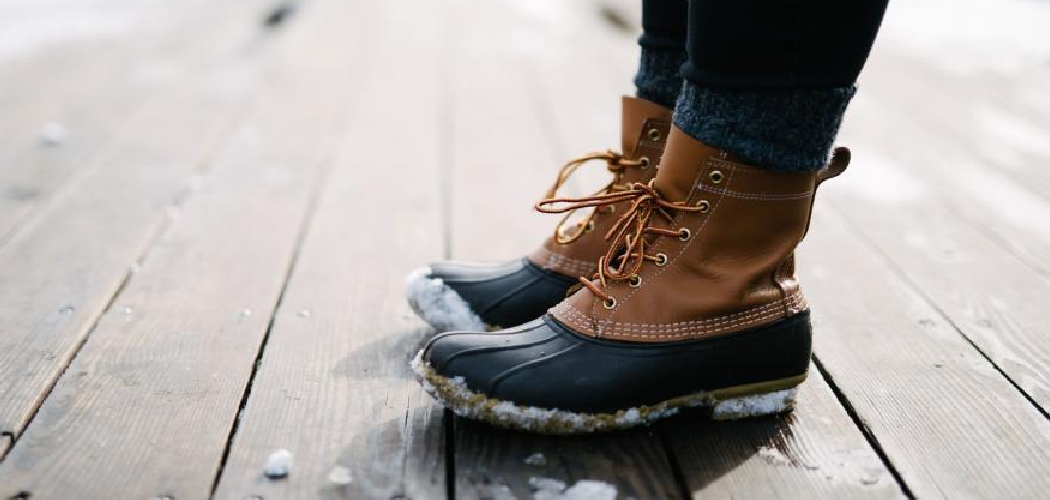
Duck boots are a timeless piece of footwear, effortlessly blending rugged functionality with classic style. Originally designed for navigating wet, muddy conditions, these boots have evolved into a fashion staple, appearing everywhere from city streets to country paths. Their unique combination of a rubber sole and leather upper makes them incredibly practical for unpredictable weather.

But their utility doesn’t mean you have to sacrifice style. Learning how to style duck boots correctly can elevate your cold-weather wardrobe, turning a practical choice into a polished and intentional fashion statement. With a few key tips, you can create a variety of looks that are both comfortable and chic, proving that these boots are far more versatile than you might think.
Materials You’ll Need
- A pair of classic duck boots
- Thick, comfortable socks (wool or boot socks)
- Slim-fit or skinny jeans
- Leggings or thick tights
- Cozy sweaters (cable-knit, cashmere, or chunky knits)
- Flannel or plaid shirts
- Stylish outerwear (puffer vests, parkas, peacoats)
- Accessories like scarves, beanies, and gloves
7 Simple Step-By-Step Guidelines on How to Style Duck Boots
Step 1: Choose the Right Socks
The first step to successfully styling duck boots starts from the inside out: your socks. Choosing the right pair is crucial not just for comfort and warmth, but also for adding a subtle layer of visual interest to your outfit. Opt for thick, high-quality socks made from materials like merino wool or a chunky cotton blend. These materials provide excellent insulation and cushioning, keeping your feet warm and dry, which is essential since duck boots are often worn in cold or wet weather. The right socks prevent discomfort and ensure your feet stay cozy all day long.
Beyond function, your socks can be a key style element. Allow the top of your socks to peek out just above the boot line. This creates a layered, textured look that adds depth to your ensemble. Consider socks with interesting patterns, like Fair Isle or classic stripes, or in a contrasting color that complements your boots and the rest of your outfit. For example, a pair of cream-colored cable-knit socks looks fantastic against brown leather duck boots. This small detail bridges the gap between your pants and your boots, creating a seamless and thoughtfully assembled look.
Step 2: Pick the Perfect Pants
The cut and fit of your pants are essential for creating a balanced silhouette with duck boots. Because duck boots have a somewhat bulky profile, it’s best to pair them with bottoms that are slim and streamlined. Skinny jeans are a classic and foolproof choice, as they tuck easily into the boots without bunching up. The slim fit of the jeans contrasts with the wider boot, creating a flattering look that elongates your legs. Dark-wash or black skinny jeans offer a sleek, versatile base that works with almost any top or outerwear.
If you prefer an alternative to jeans, leggings are another excellent option. Choose thick, opaque leggings to ensure proper coverage and warmth. Pairing them with an oversized sweater or a long tunic creates a comfortable and stylish outfit perfect for a casual weekend. Corduroy pants in a slim or straight-leg cut also work well, adding a touch of texture and a preppy vibe to your look. The key is to avoid wide-leg or baggy pants, which can create a bottom-heavy appearance and hide the distinctive design of your boots. Tucking your pants in is the way to go for a clean, polished finish.
Step 3: Layer with a Cozy Top
Layering is fundamental to fall and winter fashion, and it’s the perfect strategy for styling duck boots. Start with a cozy top that sets a comfortable and warm tone for your entire outfit. A chunky cable-knit sweater is an iconic choice that pairs beautifully with the rugged aesthetic of duck boots. The rich texture of the knit adds visual interest and provides plenty of warmth. Opt for neutral colors like cream, camel, or gray for a timeless look, or choose a bolder hue like burgundy or forest green to make a statement.
For a more casual, outdoors-inspired feel, a classic flannel or plaid shirt is an unbeatable option. You can wear it buttoned up on its own or open over a simple long-sleeve tee or Henley. This layered approach not only looks stylish but also allows you to adjust to changing temperatures throughout the day. Combining a plaid shirt with a cozy sweater, either worn over or tied around your waist, adds another dimension to your outfit. These tops complement the practical nature of duck boots while keeping you comfortable and looking effortlessly put-together.
Step 4: Select Your Outerwear
Your choice of outerwear is the finishing touch that brings your entire duck boot look together. The right jacket or coat can define the overall vibe of your outfit, whether you’re aiming for something casual, preppy, or purely practical. A puffer vest is a fantastic layering piece for transitional weather. Worn over a long-sleeve shirt or a sweater, a vest adds core warmth without the bulk of a full coat. It perfectly complements the outdoorsy feel of duck boots and is ideal for crisp autumn days.
For colder temperatures, a parka or a quilted jacket provides both style and serious insulation. A classic parka with a faux-fur-trimmed hood creates a chic, winter-ready look that is both fashionable and functional. Alternatively, a sophisticated peacoat or a wool trench coat can elevate your duck boots, dressing them up for a more polished, urban setting. This juxtaposition of a refined coat with rugged boots creates a compelling and stylish contrast. No matter your choice, ensure your outerwear complements the colors in your outfit for a cohesive and intentional look.
Step 5: Embrace a Neutral Color Palette
While duck boots are available in various color combinations, sticking to a classic and neutral color palette often yields the most versatile and timeless results. Traditional duck boots typically feature a brown or tan leather upper with a navy, black, or dark green rubber base. These colors are incredibly easy to style because they act as a neutral foundation for the rest of your outfit. Choosing boots in one of these classic combinations ensures they will seamlessly integrate with a wide range of clothing items you already own, from dark-wash denim to khaki chinos.
When building your outfit around your boots, continue with this neutral theme. Shades of cream, camel, gray, navy, and olive green create a sophisticated and cohesive look that feels effortlessly stylish. You can build an entire ensemble using these tones, such as pairing tan duck boots with dark jeans, a cream sweater, and a navy peacoat. This approach ensures your outfit looks intentional rather than accidental. If you want to introduce a pop of color, do so with your accessories, like a bright scarf or a colorful beanie, which can add personality without overwhelming the classic aesthetic.
Step 6: Accessorize Thoughtfully
Accessories are the details that elevate an outfit from good to great, and this is especially true when styling duck boots. Because these boots are often worn in colder weather, functional accessories like scarves, beanies, and gloves are natural additions. A cozy, oversized scarf not only provides warmth but also adds texture and a potential pop of color. A chunky knit scarf in a complementary shade or a classic plaid pattern can tie your whole look together, drawing the eye upward and balancing the visual weight of the boots.
Beyond warmth, consider other accessories to complete your look. A classic leather belt that matches the leather on your boots can create a sense of cohesion. A stylish beanie or a felt fedora can add a touch of personality and polish. Don’t forget a practical yet chic bag, like a canvas tote or a leather crossbody, to carry your essentials. These thoughtful additions demonstrate that you’ve considered every element of your outfit, transforming a simple combination of boots and jeans into a fully realized, stylish ensemble.
Step 7: Balance the Proportions
Achieving the right balance in your outfit’s proportions is perhaps the most critical rule for styling duck boots effectively. As mentioned earlier, duck boots have a substantial and somewhat clunky silhouette. To avoid looking bottom-heavy, it’s essential to create a visual contrast with the rest of your attire. This is why slim-fit pants like skinny jeans or leggings are so highly recommended. They create a sleek line down your leg that tucks neatly into the boot, preventing any awkward bunching and making your legs appear longer and leaner.

The principle of balance also applies to your upper body. Since you are wearing slim pants on the bottom, you have more freedom with your top. You can create a pleasing silhouette by pairing your slim pants and duck boots with a slightly oversized or chunky knit sweater, a long tunic, or layered tops. This creates an “A-line” shape that is visually appealing and incredibly comfortable. A long, flowing cardigan or an open parka can also contribute to this balanced look. The goal is to avoid volume on both the top and bottom simultaneously, which can overwhelm your frame.
Following these steps on how to style duck boots, you can create stylish and functional outfits for any occasion. Whether you’re running errands, going on a hike, or dressing up for a casual night out, duck boots are the perfect combination of fashion and function.
Common Mistakes to Avoid
- Wearing them with wide-leg or boot-cut pants, as this creates a bulky, unflattering silhouette.
- Pairing them with formal attire, duck boots are inherently casual and look out of place with dress pants or skirts.
- Forgetting to wear appropriate socks, which can lead to discomfort and an incomplete look.
- Choosing boots that are too large, causing your foot to slide around and making them difficult to walk in.
- Wearing them in hot, dry weather, as they are specifically designed for cool, wet conditions.
Frequently Asked Questions
Q1: Can Duck Boots Be Worn in Summer?
A1: While duck boots are technically functional in rain regardless of the season, they are generally not recommended for summer wear. The rubber bottom and often insulated upper are designed to keep feet warm and dry in cold, wet conditions. In the heat of summer, this construction can cause your feet to become uncomfortably hot and sweaty. For warm-weather rain, it is better to opt for more breathable waterproof footwear, like stylish rain boots or waterproof sneakers.
Q2: How Do I Clean and Maintain My Duck Boots?
A2: To keep your duck boots looking their best, regular cleaning is key. For the rubber portion, simply wipe it down with a damp cloth and mild soap to remove dirt and mud. For the leather upper, use a soft brush to remove any loose debris. You should then apply a leather cleaner and conditioner to keep the material supple and prevent it from drying out and cracking. Allowing your boots to air dry completely away from direct heat will help maintain their shape and longevity.
Q3: Are Duck Boots Still in Style?
A3: Absolutely. Duck boots are a timeless classic that transcends fleeting trends. Their enduring popularity comes from their perfect blend of function and fashion. While they may see peaks in popularity, they never truly go out of style due to their practicality for fall and winter weather. Major brands continue to produce them, and fashion influencers regularly feature them in their seasonal wardrobes, proving their lasting appeal as a versatile and essential piece of footwear.
Conclusion
Styling duck boots is all about embracing their rugged charm while creating a balanced and cohesive look. By pairing them with slim-fit pants, cozy layers, and thoughtful accessories, you can craft a variety of outfits that are perfect for any casual occasion. These boots are a testament to the idea that practical footwear can also be incredibly stylish.
Don’t be afraid to experiment with different combinations and make the look your own. With these guidelines, you’ll be able to confidently wear your duck boots and stay fashionable, warm, and dry all season long. Thanks for reading this guide on how to style duck boots.

About
As the lead voice behind Shoenify, I bridge the gap between footwear aesthetics and technical performance. With a career dedicated to the intersection of fashion and function, I provide readers with data-driven reviews and deep dives into the global footwear market. My mission is to help every reader find the perfect fit, whether they are hitting the track or the boardroom.
Education RMIT University
-
RMIT University: Bachelor of Design (Footwear & Accessories)
-
Nottingham Trent University: MA in Fashion Design (Specializing in Footwear Innovation)
Publications and Impact
My insights on footwear trends and sustainable manufacturing have been featured in leading industry trade journals. Through Shoenify, I have influenced thousands of purchasing decisions by prioritizing transparency and rigorous testing. My work focuses on the evolution of “smart” footwear and the impact of 3D printing on the future of the industry.