
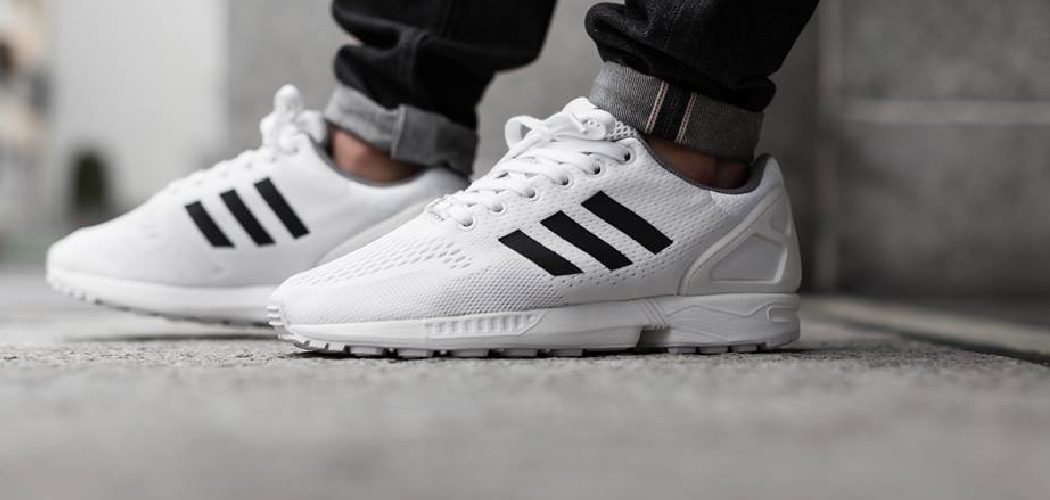
Flux Footwear has rapidly gained popularity in the barefoot and minimalist shoe community for its commitment to natural movement and sensory feedback. Designed to mimic the feeling of being barefoot while providing necessary protection, Flux shoes—like the Adapt Runner and the Adapt Trainer—feature flexible soles, wide toe boxes, and breathable knit uppers. These shoes are often the go-to choice for intense gym sessions, long runs, and daily wear, meaning they are frequently exposed to sweat, street grime, and gym floor dust. While the “adapt to everything” philosophy is great for your feet, it inevitably leads to a pair of shoes that look and smell less than fresh.
Maintaining the condition of your Flux shoes is about more than just aesthetics; it is essential for preserving the specialized materials that allow for that signature barefoot feel. The adaptive knit upper, designed to flex and move with your foot, can become stiff if clogged with dirt and dried sweat. Furthermore, the bacteria that thrive in damp athletic shoes can degrade the inner lining over time. Fortunately, the synthetic construction of Flux footwear makes them relatively easy to clean if you follow the right procedures.
This article serves as your comprehensive guide on how to wash Flux shoes safely and effectively. We will explore the specific needs of the Adapt knit materials, detail the essential tools for a safe, clean, and provide a step-by-step walkthrough for both hand-washing and machine-washing methods. By following these instructions, you can ensure your minimalist shoes remain flexible, comfortable, and ready for your next workout.
Understanding Flux Materials: The Adapt Knit
To clean your shoes effectively, you must first understand what they are made of. The core of the Flux lineup is the “Adapt Knit” upper. This is a proprietary synthetic weave designed to provide a sock-like fit that expands and contracts with your foot’s natural movement. Unlike leather or heavy canvas, this knit is highly breathable, which is excellent for temperature regulation but presents unique cleaning challenges.
The Open Weave Challenge
The breathable nature of the Adapt Knit means the fabric has an open structure. While this allows air to flow freely, it also allows fine dust and dirt to embed itself deep within the fibers. If you simply wipe the surface with a damp cloth, you often just push this dirt further in. Effective cleaning requires lifting this embedded debris out of the weave without damaging the elastic properties of the yarn.
Synthetic Durability vs. Heat Sensitivity
Flux shoes are built to be durable, utilizing high-quality synthetic polymers for both the upper and the sole. While these materials are tough against abrasion and impact, they have a kryptonite: heat. High temperatures can cause the synthetic fibers to shrink or warp, permanently altering the fit of the shoe. This is why temperature control during the washing and drying process is the single most critical factor in maintaining your Flux footwear.
Essential Cleaning Supplies
You do not need an elaborate kit to get your Flux shoes looking new again. Simple, gentle supplies are best to protect the integrity of the knit and the adhesives used in the shoe’s construction.
Mild Liquid Detergent
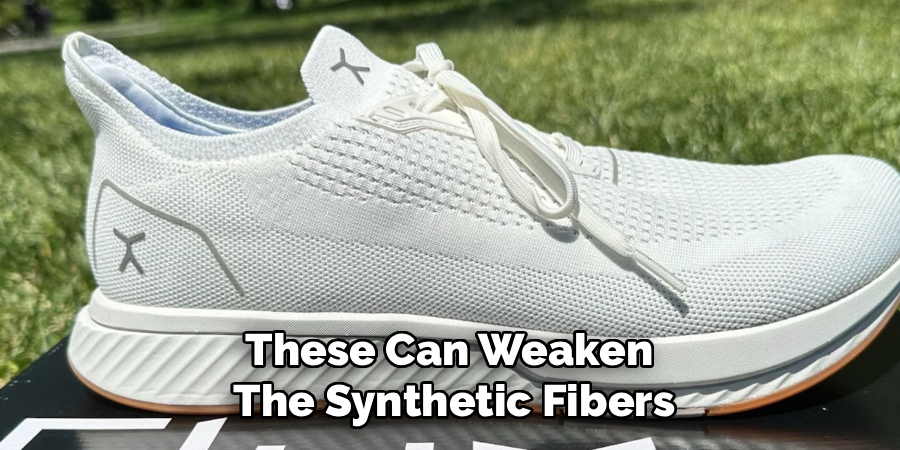
Avoid powdered detergents, which can leave a gritty residue in the knit fabric that can irritate the skin. Instead, opt for a mild liquid laundry detergent. Avoid formulas with bleach or harsh stain removers, as these can weaken the synthetic fibers and cause colors to fade unevenly. A gentle, clear detergent is ideal.
Soft-Bristle Brush
A stiff scrubbing brush can snag the Adapt Knit, creating pulls or fuzzing that ruins the sleek look of the shoe. A soft-bristle brush—such as an old toothbrush or a brush specifically designed for mesh sneakers—is essential. This allows you to agitate the dirt without tearing the fabric.
Mesh Laundry Bag
If you plan to utilize the machine-washing method, a mesh laundry bag is non-negotiable. This protects the shoes from getting caught on the drum or the agitator, preventing snags and reducing the impact as they tumble.
Shoe Trees or Paper Towels
For the drying phase, you will need something to help the shoes hold their shape. Adjustable plastic shoe trees are perfect, but putting crumpled white paper towels or clean rags inside the shoes works just as well.
Pre-Cleaning Preparation
Regardless of whether you choose to hand-wash or machine wash, proper preparation is key to ensuring a deep clean. Skipping these steps can lead to a subpar result where dirt is simply moved around rather than removed.
Remove the Insoles
Flux shoes come with removable insoles, often featuring textured sensory nodes. These should be taken out before cleaning. Insoles are sponges for sweat and bacteria, and washing them inside the shoe prevents them from getting fully clean. They need to be scrubbed separately to ensure odor is eliminated.
Remove the Laces
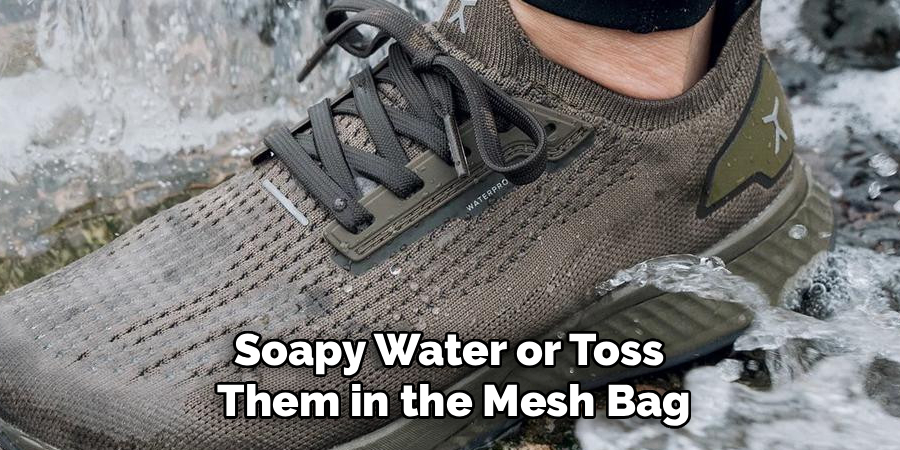
Take the laces off completely. This allows you to open the tongue of the shoe fully, giving you access to the deep crevices where dust collects. Wash the laces separately in a small bowl of soapy water or toss them in the mesh bag with the shoes.
Dry-Brush the Exterior
Before getting the shoes wet, take a dry soft brush and gently sweep the entire exterior. This removes loose mud, dust, and debris. If you skip this step, water will turn this loose dust into mud, which will then soak deeper into the knit fabric, making your job much harder.
The Primary Method: How to Wash Flux Shoes by Hand
Hand washing is generally the safest method for all athletic footwear, as it gives you complete control over the pressure and temperature. It is the recommended approach for spot cleaning or for shoes that aren’t heavily soiled.
Step 1: Create a Soapy Solution
Fill a sink or basin with cool to lukewarm water. Add a small amount of your mild liquid detergent and mix until suds form. Do not use hot water, as this can affect the glue bonding the sole to the upper.
Step 2: Scrub the Soles
Start with the dirtiest part: the outsoles. You can use a slightly stiffer brush here if you have one. Dip the brush in the soapy water and scrub the tread of the shoe vigorously to remove caked-on mud or gym floor gum. Wipe the soles clean with a rag.
Step 3: Gently Wash the Upper
Switch to your soft-bristle brush or a microfiber cloth. Dip it in the solution and gently scrub the Adapt Knit upper. Use circular motions to lift dirt from the weave. Be particularly gentle around the tongue and the collar of the shoe. If there are specific stains, apply a drop of detergent directly to the brush and work it into the spot gently.
Step 4: Clean the Insoles
Place the insoles in the basin and scrub them gently with the soft brush. Pay attention to the heel and toe areas where sweat accumulation is highest. Rinse them thoroughly until no soap suds remain.
Step 5: Rinse the Shoes
Do not soak the shoes for a prolonged period. Instead, rinse them under a stream of cool water or wipe them down repeatedly with a clean, wet sponge until all soap residue is gone. Leftover soap can attract dirt and cause skin irritation, so be thorough.
The Machine Washing Method (With Caution)
Flux shoes are generally durable enough to withstand machine washing, provided you take specific precautions. This is often the most effective method for removing deep-set odors and giving the shoes an overall refresh.

Step 1: Bag Them Up
Place your prepped shoes (laces and insoles removed) into a mesh laundry bag. If you are washing the laces, you can put them in the same bag or a separate small pouch to prevent them from getting lost or tangling.
Step 2: Balance the Load
Never wash your shoes alone. The tumbling shoes can bang loudly against the drum and may even throw the machine off balance. Add a few old towels or sheets to the load. This acts as a buffer, cushioning the shoes and reducing noise.
Step 3: Select the Right Settings
Set your washing machine to the “delicate” or “gentle” cycle. This reduces the agitation speed. Most importantly, select the “cold” water setting. As mentioned earlier, heat is the enemy of synthetic knit and glues. Use a moderate amount of mild detergent—do not overdo it.
Step 4: Air Dry Only
Once the cycle is complete, remove the shoes immediately. Do not let them sit damp in the machine. Never put Flux shoes in the dryer. The intense heat will shrink the knit upper and warp the rubber soles.
Drying Your Flux Shoes Correctly
The drying process is just as critical as the washing process. Improper drying can lead to misshapen shoes or the growth of mildew.
Stuff for Structure
Immediately after washing, stuff the shoes firmly with white paper towels or insert your shoe trees. This serves two purposes: it helps the flexible knit upper maintain its proper shape as it dries, and the paper helps wick moisture from the inside of the shoe. Avoid newspapers, as the ink can transfer to the wet fabric.
Find the Right Spot
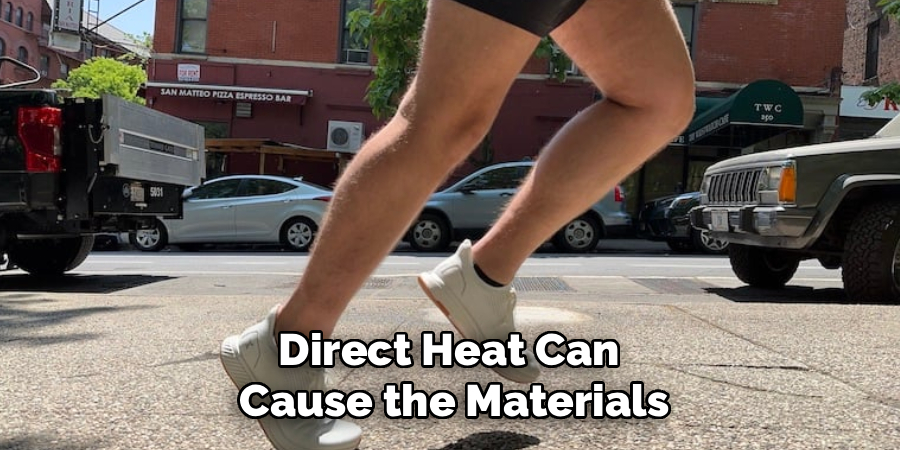
Place the shoes in a well-ventilated area with good airflow. A breezy porch (in the shade) or a room with a fan is ideal. Keep them away from direct sunlight, radiators, or vents. UV rays can fade the colors, and direct heat can cause the materials to become brittle.
Patience is Key
Allow the shoes to dry completely before wearing them. This usually takes at least 24 hours. Wearing damp shoes can cause blisters and encourage bacterial growth, undoing all your hard cleaning work.
Removing Odors from Flux Shoes
Because Flux shoes are often worn without socks or with very thin liners, odor can become a persistent issue. If a standard wash doesn’t eliminate the smell, you may need a targeted approach.
Baking Soda Treatment
For lingering odors, sprinkle baking soda inside the dry shoes and let them sit overnight. The baking soda acts as a desiccant, absorbing moisture and neutralizing acidic odors. Shake the powder out thoroughly before wearing.
Vinegar Soak (For Insoles Only)
If the insoles still smell after washing, create a solution of one part white vinegar to two parts water. Soak the insoles in this mixture for 30 minutes. The vinegar kills odor-causing bacteria. Rinse them thoroughly with plain water afterwards to remove the vinegar scent, then air dry.
Conclusion
Your Flux shoes are designed to help you move naturally, and keeping them clean ensures they can perform that function for as long as possible. Whether you choose the gentle control of hand washing or the convenience of the machine, the principles remain the same: cool water, mild soap, and absolutely no heat.
By following this guide on how to wash Flux shoes, you protect the integrity of the Adapt Knit and the flexibility of the sole. Regular maintenance not only keeps your footwear looking sharp but also prevents the buildup of bacteria that can degrade the materials over time. With a little care, your minimalist shoes will continue to provide maximum comfort for all your adventures.

About
As the lead voice behind Shoenify, I bridge the gap between footwear aesthetics and technical performance. With a career dedicated to the intersection of fashion and function, I provide readers with data-driven reviews and deep dives into the global footwear market. My mission is to help every reader find the perfect fit, whether they are hitting the track or the boardroom.
Education RMIT University
-
RMIT University: Bachelor of Design (Footwear & Accessories)
-
Nottingham Trent University: MA in Fashion Design (Specializing in Footwear Innovation)
Publications and Impact
My insights on footwear trends and sustainable manufacturing have been featured in leading industry trade journals. Through Shoenify, I have influenced thousands of purchasing decisions by prioritizing transparency and rigorous testing. My work focuses on the evolution of “smart” footwear and the impact of 3D printing on the future of the industry.